

A complete sales funnel for high-ticket coaching programs is a structured sequence of digital touchpoints that moves a prospect from initial awareness to a paid client relationship. It relies on trust-building content, a clear value proposition, and a strategic sales conversation. Virtual Income School designs these systems to help experts convert their knowledge into predictable revenue without relying on cold outreach or aggressive sales tactics.
The Foundation of High-Ticket Positioning
High-ticket coaching is a business model where the service price point is significantly higher than standard group courses or low-cost digital products. This model requires a different approach to lead generation and conversion. The core implication is that you cannot simply sell a product; you must sell a transformation. Prospects at this price point are looking for a partner who can solve a specific, painful problem. Your funnel must reflect this premium positioning from the very first interaction.
Defining the Ideal Client
Top of Funnel: Attracting Qualified Leads
The top of the funnel, or awareness stage, focuses on attracting the right audience. This is where you use content marketing, paid advertising, or social media to capture attention. The goal is not to sell immediately but to provide value that demonstrates your expertise. For instance, a blog post or video series addressing a specific bottleneck in a client's business can serve as a powerful lead magnet. This stage filters out unqualified leads and builds initial trust.
The Role of Content Strategy
Content is the primary vehicle for top-of-funnel engagement. You need a consistent content strategy that addresses your ideal client's questions and challenges. This could include educational articles, webinars, or short-form video content. The key is to provide actionable insights that position you as an authority. This builds the credibility necessary for a high-ticket sale later in the process.
Middle of Funnel: Nurturing and Trust Building
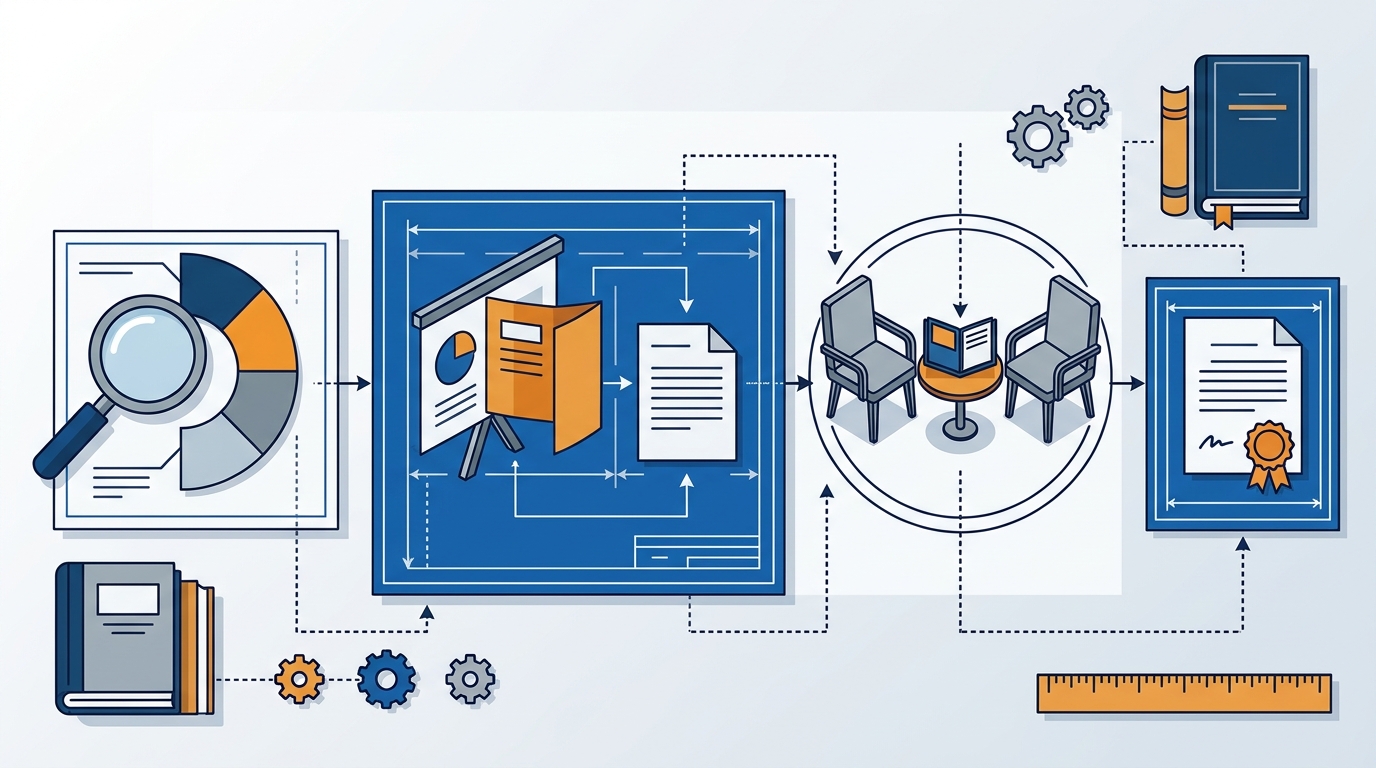
The middle of the funnel, or consideration stage, is where you nurture leads and build deeper trust. This is the most critical phase for high-ticket offers. You move leads from general awareness to specific interest in your solution. This is typically done through email sequences, webinars, or a series of educational videos. The implication is that you are proving your methodology works before asking for a high investment. This reduces buyer risk and increases conversion rates.
Email Nurture Sequences
Email marketing is the backbone of middle-funnel nurturing. A well-crafted email sequence can guide a lead through a logical progression of ideas. For example, a five-email sequence might start with a common problem, introduce a new perspective, share a success story, present your solution, and finally invite them to a sales call. This automated process ensures consistent communication and keeps your offer top of mind.
Bottom of Funnel: The Sales Conversation
The bottom of the funnel, or decision stage, is where the actual sale happens. For high-ticket coaching, this is almost always a one-on-one sales call or application process. The goal is to have a strategic conversation that confirms the client's readiness and ability to invest. This is not a pushy sales pitch but a collaborative discussion about their goals and how your program can help them achieve them. The implication is that your funnel's success is measured by the quality of these conversations, not just the volume of leads.
Application and Qualification
Many high-ticket funnels use an application form before the sales call. This serves two purposes: it qualifies the lead and it creates a sense of exclusivity. For example, an application might ask about the client's current revenue, their specific goals, and their timeline. This ensures that you only spend time with leads who are a good fit for your program. It also signals to the prospect that this is a premium service, not a commodity.
Post-Sale: Onboarding and Retention
A complete sales funnel does not end at the point of sale. The post-sale phase, or onboarding, is crucial for client satisfaction and retention. This is where you set expectations, provide access to your program, and establish a support structure. For high-ticket clients, this experience is a reflection of your brand. A smooth onboarding process reduces buyer's remorse and sets the stage for a successful coaching relationship. The implication is that your funnel is a continuous loop, not a one-time transaction.
Client Success and Referrals
Key Takeaways
- High-ticket coaching requires a premium positioning that focuses on transformation, not just information.
- The top of the funnel should attract qualified leads through value-driven content and clear messaging.
- Middle-funnel nurturing builds trust through email sequences and educational resources that prove your methodology.
- The bottom of the funnel relies on strategic sales conversations and application processes to qualify leads.
- Post-sale onboarding and client success are critical for retention and generating referrals.
- A complete funnel is a continuous loop that supports the client from first touch to long-term success.
Frequently Asked Questions
What is the average conversion rate for high-ticket coaching funnels?
Conversion rates vary widely based on the quality of your leads and the strength of your offer. However, a well-optimized funnel can convert 10-20% of sales calls into clients. The key is to focus on lead quality rather than volume.
How long should a high-ticket sales funnel take to complete?
There is no one-size-fits-all answer, but most high-ticket funnels take 2-4 weeks to move a lead from first touch to sale. This allows time for trust building and consideration. Rushing the process can lead to lower conversion rates and higher buyer's remorse.
Do I need paid advertising for a high-ticket funnel?
Paid advertising can accelerate lead generation, but it is not strictly necessary. Many successful coaches use organic content, social media, and referrals to build their audience. The key is to have a consistent strategy for attracting qualified leads.
What is the role of a webinar in a high-ticket funnel?
How do I handle objections during a sales call?
Objections are a normal part of the sales process. The best approach is to listen actively, empathize with the client's concerns, and provide clear, logical responses. For example, if a client is concerned about price, you can reframe the value of your program in terms of the return on investment they can expect.
What tools do I need to build a high-ticket sales funnel?
You will need a website, an email marketing platform, a CRM, and a scheduling tool. These tools help you automate and track your funnel. The specific tools you choose depend on your budget and technical skills, but the core functionality is what matters most.
How can I measure the success of my sales funnel?
Track key metrics such as lead volume, conversion rates, cost per acquisition, and customer lifetime value. These metrics help you identify bottlenecks and optimize your funnel. Regularly reviewing your data allows you to make data-driven decisions that improve your results.
Conclusion
Building a complete sales funnel for high-ticket coaching programs is a strategic process that requires careful planning and execution. By focusing on premium positioning, trust building, and strategic sales conversations, you can create a system that consistently attracts and converts high-value clients. Virtual Income School provides the frameworks and support you need to build and optimize your funnel. To start building your high-ticket coaching business, apply to work with us.