

For high-ticket coaching businesses, Meta (Facebook and Instagram) and LinkedIn are the most effective ad platforms in 2026. Meta offers superior retargeting capabilities and broad reach for lifestyle and business coaches, while LinkedIn provides precise B2B targeting for executive and corporate consultants. Choosing the right platform depends on where your ideal client spends their time and how they prefer to consume content. At Virtual Income School, we emphasize that the platform is only as good as the offer and lead flow system built around it.
Meta: The Powerhouse for Retargeting and Scale
Consider a business coach targeting small business owners. Meta allows you to target users based on job titles, interests in entrepreneurship, and even page likes of specific business publications. The platform's creative flexibility supports video testimonials, carousel ads showcasing results, and lead generation forms. These formats help filter out low-intent users before they reach your sales call. The implication is that Meta requires a robust creative strategy to maintain low cost-per-lead (CPL) as audiences saturate.
LinkedIn: Precision for B2B and Executive Coaching
LinkedIn is the premier platform for reaching decision-makers in corporate environments. If your coaching practice focuses on executive leadership, C-suite strategy, or corporate wellness, LinkedIn is often the only viable option. The platform's targeting options allow you to filter by company size, industry, seniority, and specific job functions. This precision reduces wasted ad spend on irrelevant audiences.
For example, a leadership coach targeting VP-level managers at Fortune 500 companies can use LinkedIn's audience matching to exclude junior staff entirely. The content format here is typically text-heavy and professional. Video ads work, but they must align with a professional tone. The implication is that LinkedIn ads are more expensive per click, but the quality of leads is often higher for B2B niches. You are paying for access to a specific professional identity.
YouTube: Building Trust Through Long-Form Content
YouTube serves as a trust-building engine for high-ticket offers. Users on YouTube are in a learning mindset, making them more receptive to educational content. This platform is ideal for coaches who can produce 10 to 20-minute videos that demonstrate their expertise. The long-form format allows you to address objections and showcase your methodology in depth.
A health and wellness coach might use YouTube to publish detailed guides on nutrition or stress management. By running ads to these videos, you attract viewers who are already seeking solutions. The implication is that YouTube requires a significant content investment. You cannot simply repurpose short social media clips. You need a library of high-quality, searchable content that supports your brand authority over time.
Choosing the Right Platform for Your Niche
Selecting the right ad platform requires aligning your client's behavior with the platform's strengths. There is no one-size-fits-all solution. A fitness coach targeting busy professionals may find success on Instagram, while a financial planner targeting retirees may find better results on Facebook. You must analyze where your ideal client spends their discretionary time.
Start by mapping your client's daily digital habits. Do they check LinkedIn for industry news? Do they scroll Instagram for lifestyle inspiration? Do they watch YouTube for tutorials? This analysis should guide your initial budget allocation. The implication is that testing is essential. You may need to run small campaigns on two platforms to determine which yields the highest quality leads. Data should drive your scaling decisions, not assumptions.
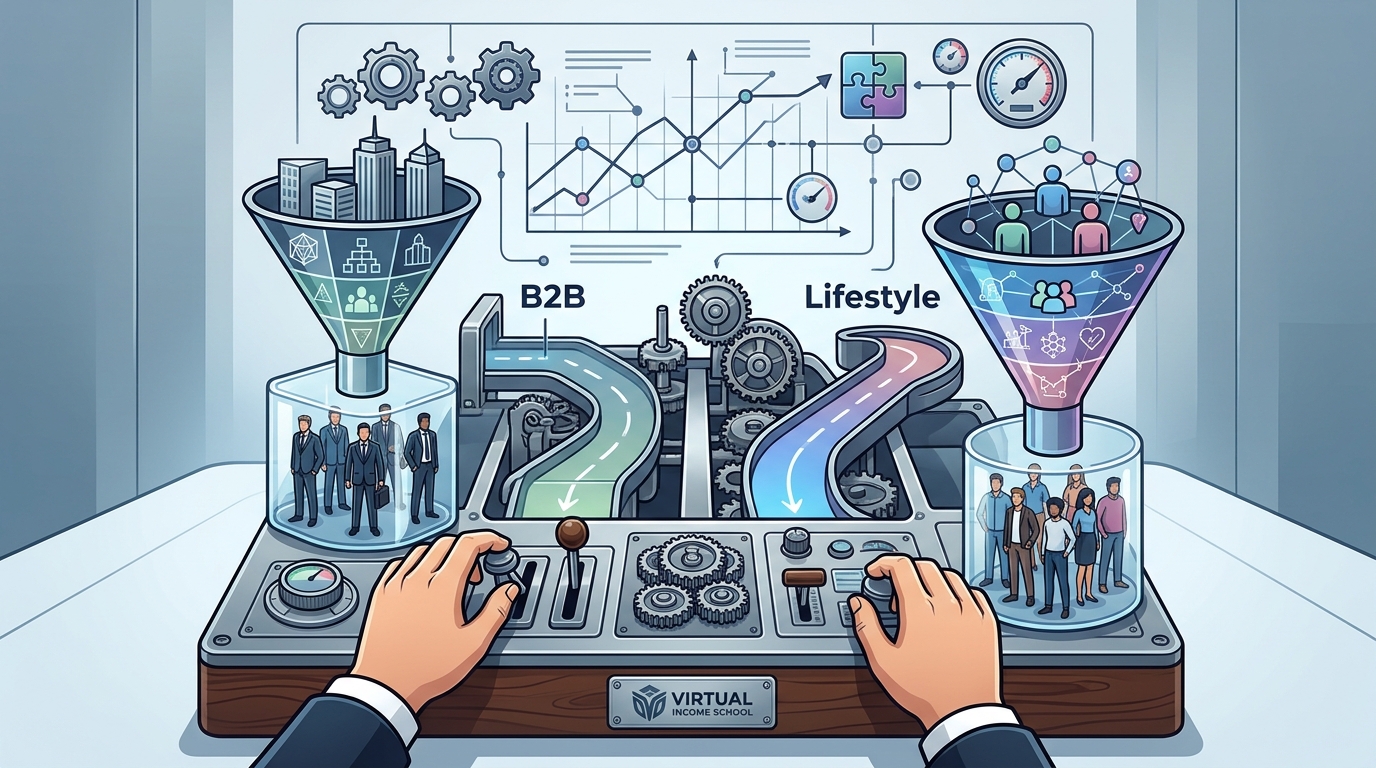
Integrating Ads with a Strong Lead Flow System
Running ads without a solid lead flow system is a common mistake. The ad brings the traffic, but the system converts it. At Virtual Income School, we teach that the backend of your funnel is just as important as the frontend. This includes your landing page, email sequence, and sales call process. A high-performing ad can fail if the landing page is confusing or the sales process is weak.
Ensure your ad message matches your landing page message. If your ad promises a free strategy session, your landing page must clearly explain how to book that session. This consistency builds trust and reduces friction. The implication is that you must view ads as part of a holistic marketing ecosystem. Isolated ad campaigns rarely produce sustainable growth for high-ticket businesses. You need a system that nurtures leads from first click to closed deal.
Key Takeaways
- Meta is best for broad reach and retargeting in consumer-facing niches.
- YouTube builds trust through long-form educational content.
- Align your platform choice with your client's digital habits.
- Test multiple platforms with small budgets to find the best fit.
- Integrate ads with a strong lead flow system for conversion.
- Focus on lead quality over quantity for high-ticket offers.
Frequently Asked Questions
Which ad platform is best for executive coaching?
LinkedIn is generally the best platform for executive coaching. It allows you to target specific job titles, seniority levels, and industries. This precision ensures your ads reach decision-makers who are likely to invest in high-ticket leadership programs.
How much should I budget for paid ads for coaching?
Do I need to run ads on multiple platforms?
Not necessarily. It is often better to master one platform before expanding. Focus on the platform where your ideal client is most active. Once you have a profitable system on one platform, you can consider testing others to diversify your lead sources.
What type of content works best for coaching ads?
How long does it take to see results from paid ads?
It typically takes 4 to 8 weeks to gather enough data to optimize your campaigns. Initial results may be slow as the algorithm learns who your ideal customer is. Patience is essential. Focus on lead quality and cost-per-lead rather than immediate sales.
Can I use organic content for paid ads?
Yes, organic content can be repurposed for paid ads. However, you may need to edit it for a paid context. Ensure the content is engaging from the first second. Paid audiences have shorter attention spans than organic followers. Hook them quickly with a strong opening.